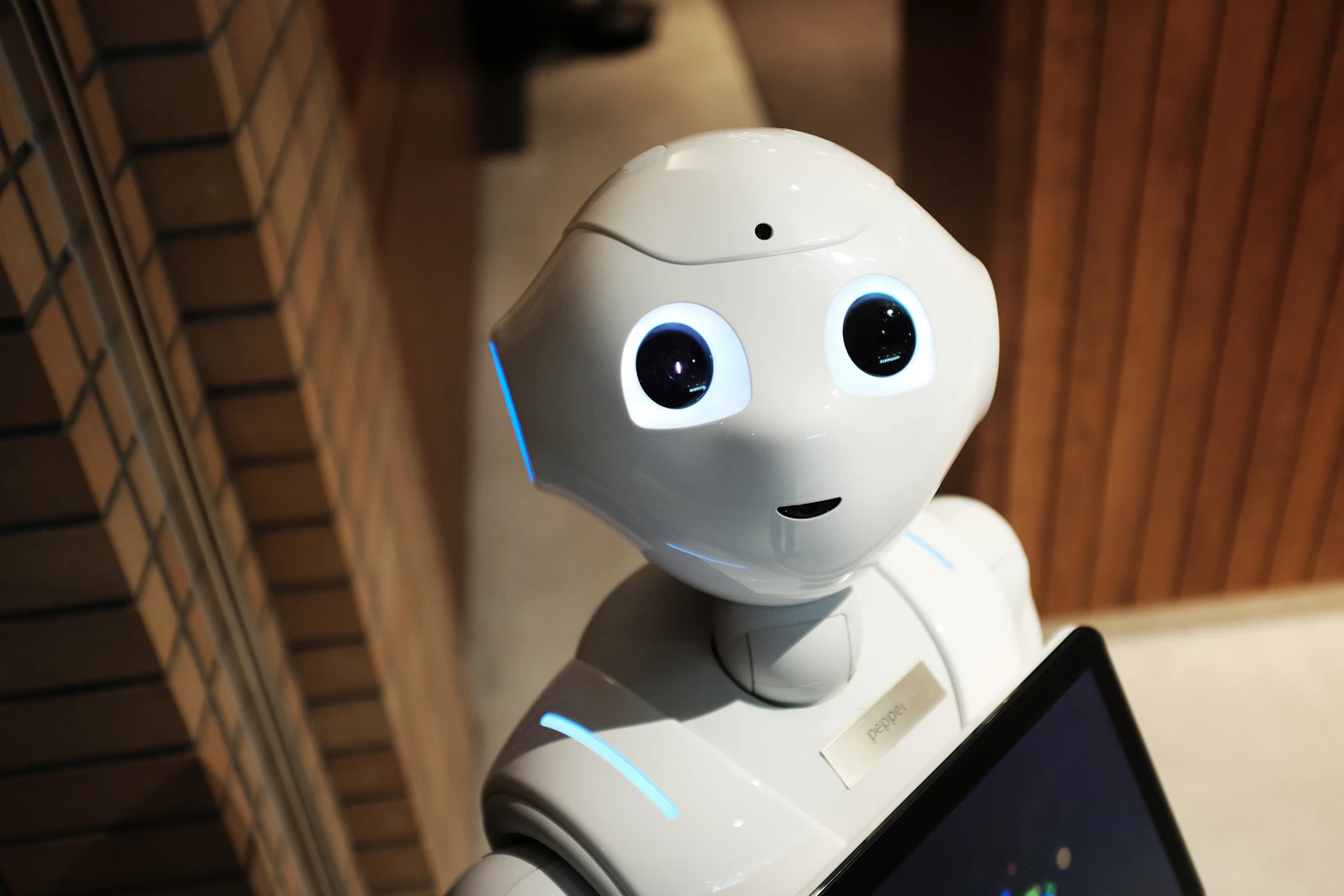
The landscape of the home appliance market is undergoing a fundamental transformation in 2026. If appliances of the past were "machines" that used electricity to replace human physical labor, today's appliances have evolved into "Intelligent Agents" that use data and neural networks to assist human judgment.
Why are tech giants like Samsung and LG Electronics staking their future on this specific turning point? It’s not just about selling another gadget; they are rewriting the very grammar of the home appliance industry. Let's analyze the strategic intent behind this massive shift.
1. Building a "Tech Moat" Against Global Competitors
Physical performance in appliances has reached a saturation point. In an era where dramatic differences in cooling speed or washing power are hard to achieve, the aggressive cost-efficiency of global competitors has become disruptive. Korean tech leaders have found their breakthrough in Hardware-Software Integration.
2. Privacy: The Most Powerful Premium Product
The home is the most private space. Users have always felt a biological resistance to the idea of cameras and microphones in the living room sending data to cloud servers. On-Device AI is the only key to solving this distrust.
Samsung's 'Knox' and LG's 'Shield' have now moved beyond cloud-based security to implement hardware-level Post-Quantum Cryptography (PQC). The "Security Completeness"—where all sensitive data is processed and destroyed locally without ever leaving the device—has become the core benchmark for premium appliances in 2026.
3. 2026 AI Appliance Strategy Comparison
| Category | Samsung Electronics | LG Electronics |
|---|---|---|
| AI Model | Google Gemini On-Device Integration | Proprietary DQ-C Chip & Affectionate Intelligence |
| Hardware Innovation | Transparent Micro-LED Integrated Appliances | 'CLOiD' Robot with Five-Fingered Dexterity |
| Business Model | SmartThings Hyper-Connected Ecosystem | Appliance-as-a-Service (Subscription) |
4. Agentic AI: From Commands to Predictions
Users no longer need to say, "Start the laundry." Instead, an AI-powered appliance synthesizes the user's sleep data, schedule, and weather information to propose: "It’s expected to rain this evening. Shall I start the laundry now and set a heavy drying cycle?" This is the reality of Agentic AI. It is a journey toward the "End of Housework," where appliances anticipate and execute the owner's intentions.
Samsung and LG are concentrating all their corporate resources to gain the upper hand at this inflection point, where the leadership of the market is shifting from "Performance" to "Intelligence." It will be fascinating to see how the "Smart Home" they are building will redefine our daily lives.